Entering Eilat we felt as if we were driving in Las Vegas. All the
hotels seemed to be built in a similar style. In the city we could
find many stalls, where we bought beautiful souvenirs, cosmetics from
the Dead Sea and local delicacies. Walking on the promenade, we were
getting past a lot of international shops, local bazaars and great
restaurants. Going on, behind the promenade we saw a campsite and
then we reached the border with Jordan. Unfortunately the gateway was
closed, so we have just seen a big fence.



Getting a tan all day long would be boring, so we went to a pleasure cruise. During the passage we saw lovely dolphins. It was a great experience. Then we sailed to the center of the Gulf of Aqaba to swim. By the way we had a beautiful views of Eilat and surrounding areas. The ship was equipped with a large slide and rafts. Everyone could get life vests, so it was safe. People were admiring underwater sights and even jumped into the water from upper deck. On the cruise liner loud music was played, so a lot of people were dancing. It was so hot, but we could chill with cold drinks. It was a great adventure and we are grateful to have taken part in.
Wiktoria & Kacper


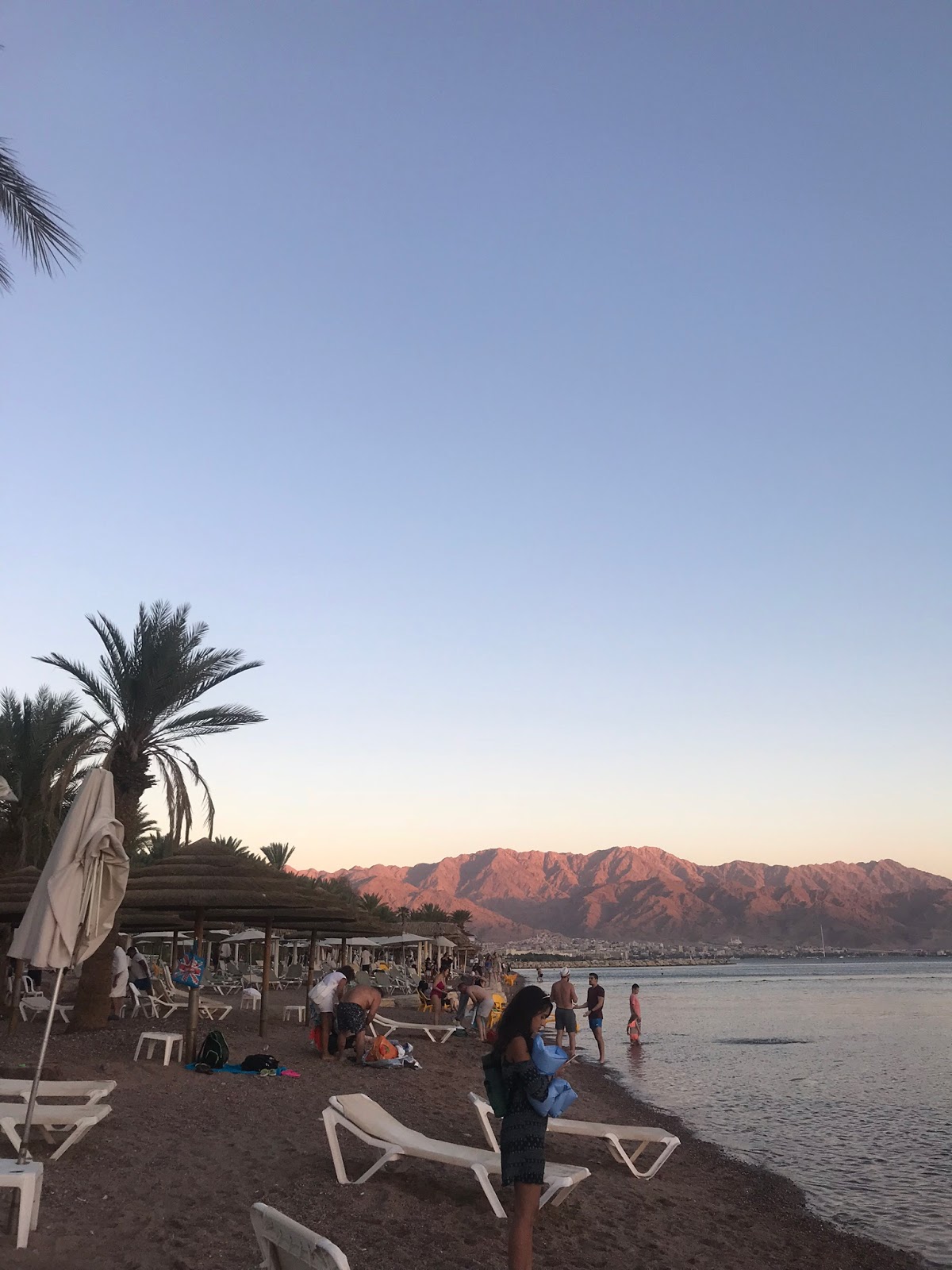
Afterwards we went to the beach. Everyone
was shocked by the fantastic view. It looked like the Bahamas or
another luxurious place for holidays. The beach made a big impression
on us, because there were many palm trees and the water was very
clean.
But it wasn’t a perfect place, because
the sand was like gravel, so we didn’t like it.
Water was warm enough to swim, so almost
everyone was bathing and having fun.
We spent most of the day on the beach and
did the shopping in the meantime.


Getting a tan all day long would be boring, so we went to a pleasure cruise. During the passage we saw lovely dolphins. It was a great experience. Then we sailed to the center of the Gulf of Aqaba to swim. By the way we had a beautiful views of Eilat and surrounding areas. The ship was equipped with a large slide and rafts. Everyone could get life vests, so it was safe. People were admiring underwater sights and even jumped into the water from upper deck. On the cruise liner loud music was played, so a lot of people were dancing. It was so hot, but we could chill with cold drinks. It was a great adventure and we are grateful to have taken part in.
Wiktoria & Kacper


Comments
Post a Comment